
-11%
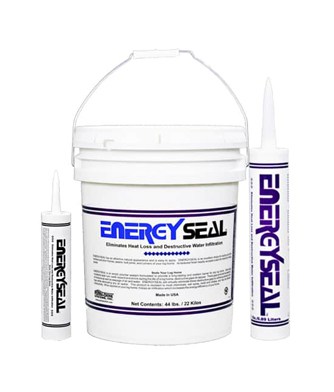
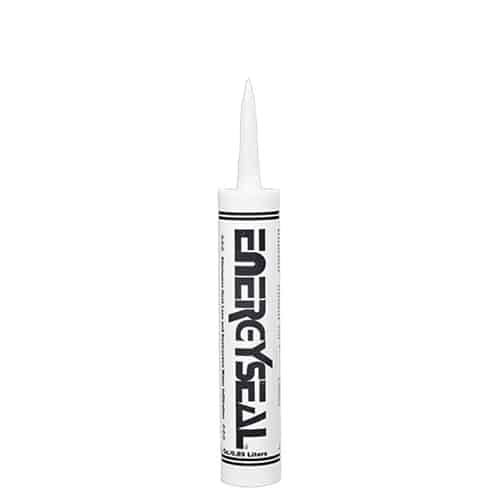
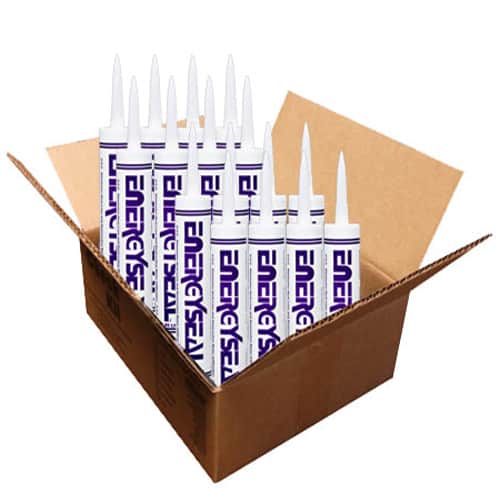
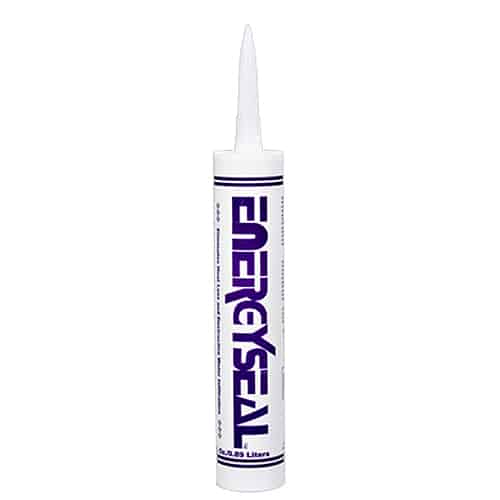


Energy Seal Textured Log Caulking
Energy Seal is one of the most popular members of our sealant family, and is sometimes referred to as a textured log caulk. Our sealants are specifically designed for use on log and timber homes, where most caulking is multi-purpose and ill-suited for the harsh enviroment of exterior use. Energy Seal was created to seal milled or scribed log homes, log siding homes and around joinery such as butt-joints, window trim, door trim and corners. One application makes any log wall completely weather-tight, which increases energy efficiency of your home.
REQUEST FREE SAMPLES (click here)
Caulking Calculator & More Info
Description






Joint Width (inches)
Lineal Footage (feet)
Depth (Inches) 
×
What happens if I go less width than what the manufacturer recommends?
Not all logs on your home move at the same rate, some may move a lot and others barely anything. When they make the recommendation they figure out the most movement you would see out of two logs touching each other and recommend a joint size that will allow the stretch to happen without failure. Some people want the joint to be smaller due to cost or the look. If you took a 1.5" recommendation and went with 1" instead, you will notice a few more repairs over the years if you get two logs that really move. You are not likely to see failure everywhere if you were deep enough with the joint in the first place ( notice we are talking depth here...not the initial joint width question)
The smaller you make the width the more likely you will see failures or separation. In our experience we have seen good results if people use 2/3 of the recommendation...but we don't recommend pushing it further than that.
×
Not all logs on your home move at the same rate; some may move a lot and others barely at all. When they make the recommendation they figure out the most movement you would see out of two logs touching each other factoring in the size of the logs. They recommend a joint size that will allow the stretch to happen without failure. The sealants and chink are designed to strech 2.5x the joint size before failing. Big logs overall move more so require a bigger joint. If you short it too much there may not be enough material to handle the log movement.
Some people want the joint to be smaller due to cost or the look.
For Example: If you took a 1.5" recommendation and went with 1" instead, you will notice a few more repairs over the years if you get two logs that really move. You are not likely to see failure everywhere if you were deep enough with the joint in the first place ( notice we are talking depth here...not the initial joint width question) The smaller you make the width the more likely you will see failures or separation. In our experience we have seen good results if people use at least 2/3 of the recommended joint size...but we don't recommend pushing it further than that.
Joint Width
Most manufacturers recommend 15% of the log diameter for joint size after the first drying season and up to 20% if it's in the first drying season.
Example: 10" log diameter x 15% = 1.5" recommended joint size
Want to go less? You can, but learn more if that is a good decision for you.
Lineal Footage
Take each wall and multiply by the number of rows of sealant high.
Example 40' long wall x 9 rows high= 360 lf . Then add your lineal footage from each wall together.
For corners add 30% to your height measurement.
For gable ends, count your rows and estimate each for length, then add together.
Joint Depth
Log Sealants are designed to stretch as your logs move. They need an appropriate width as above, but even more important they require enough depth (material) so as not to fail.
Recommended Depth:
Joint Width 1/2" or less= 1/4" depth
Joint Width 5/8" or greater= 3/8" depth up to 1/2" Learn More about playing with depth
*Note: Quantities are based on the provided measurements. Actual product required can vary based on real life thickness used and contours of the logs. All calculations based on the use of backer rod
Email Address
Your Name Your Email Contractor's Name Contractor's Email
Pail Coverage: 0.0 Required: 0.0 Products Details
30oz Tube Coverage:0.0 Required:0.0Products Details
10.5oz Tube Coverage: 0.0 Required: 0.0Products Details

Perma-Chink Chinking
Since 1981, Perma-Chink Log Home Sealant has proven itself on thousands of chinked and chinkless style homes to become the most widely applied chinking in the world. It's simply the best log home chinking by every measure: longevity, appearance, performance and ease of application. Revolutionizing the log home industry from inception, we have improved Perma-Chink throughout the decades to offer a log home sealant with unparalled adhesion, elasticity, easy tooling, and is blister-proof and slump-free. Our improvement efforts is why Perma-Chink is the leading choice of log homeowners who want to seal and protect their investments for generations.
REQUEST FREE SAMPLES (click here)
Sealant Calculator & More Info Select options This product has multiple variants. The options may be chosen on the product page

Energy Seal Textured Log Caulking
Energy Seal is one of the most popular members of our sealant family, and is sometimes referred to as a textured log caulk. Our sealants are specifically designed for use on log and timber homes, where most caulking is multi-purpose and ill-suited for the harsh enviroment of exterior use. Energy Seal was created to seal milled or scribed log homes, log siding homes and around joinery such as butt-joints, window trim, door trim and corners. One application makes any log wall completely weather-tight, which increases energy efficiency of your home.
REQUEST FREE SAMPLES (click here)
Caulking Calculator & More Info Select options This product has multiple variants. The options may be chosen on the product page

Check Mate 2
Log Check Sealant
Check Mate 2 is an outstanding water resistant sealant that prevents water and air infiltration through pronounced cracks (called checks) in logs, timbers and wood siding. Caulking is an obvious solution to this problem, but caulking does not work because of limits in adhesion and weatherability.REQUEST FREE SAMPLES (click here)
Chinking Calculator & More Info Select options This product has multiple variants. The options may be chosen on the product page
Additional information
| Weight | N/A |
|---|---|
| Dimensions | N/A |
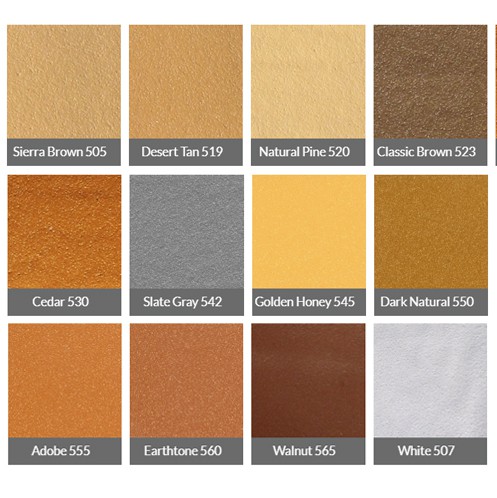
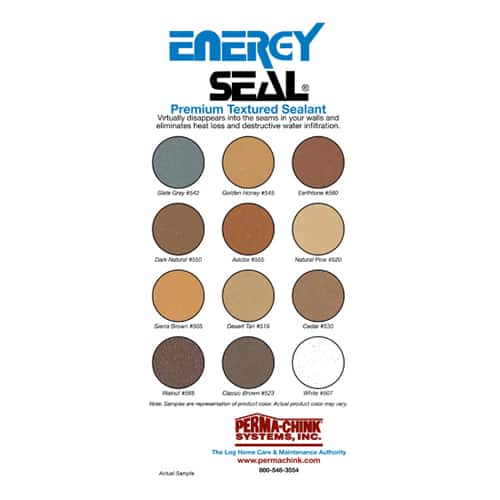
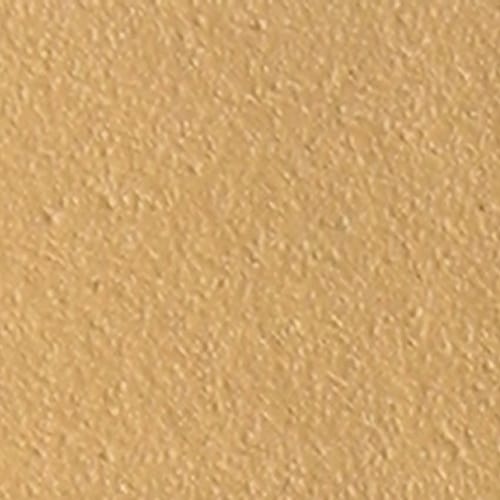
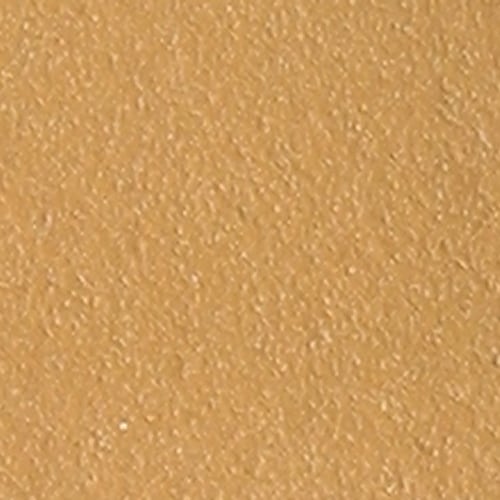
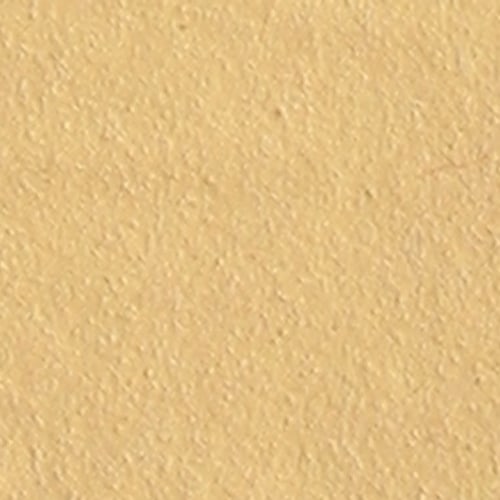
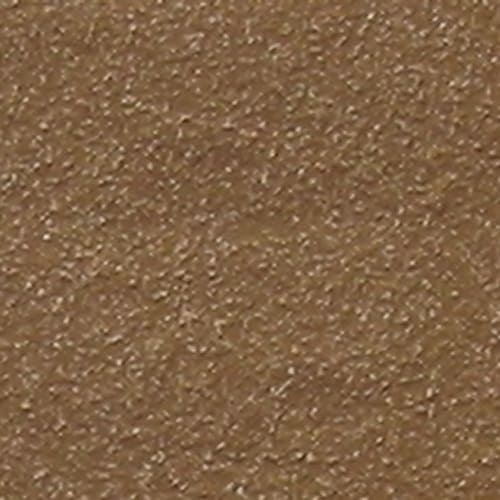
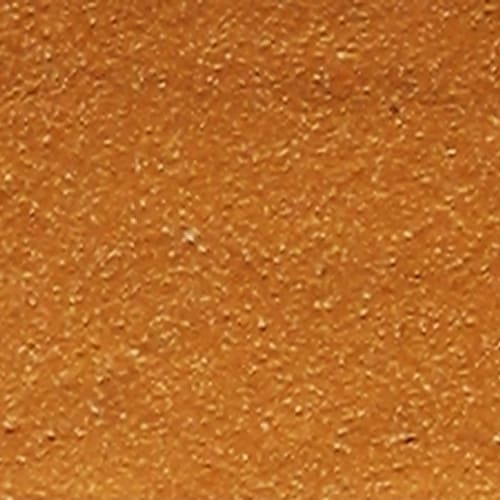
| Color | Slate Gray 542, Classic Brown 523, Cedar 530, Natural Pine 520, Desert Tan 519, Walnut 565, White 507, Sierra Brown 505, Earthtone 560, Adobe 555, Dk Natural 550, GoldenHoney 545, Free Sample (All Colours) |
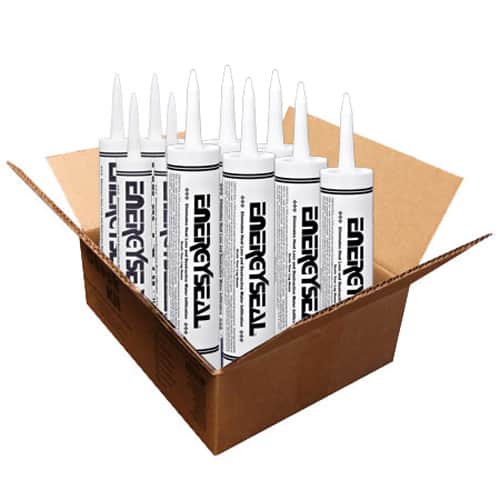
| Select Size | 5 Gallon Pail, 30oz Tube (Case of 10), 30oz Tube, 11oz Tube (Case of 12), 11oz Tube, Free Sample (All Colours) |
| Brand | Perma-Chink |
Reviews (0)
Shipping & Delivery
Related products

Sashco Log Builder Caulking
Log Builder sealant is specifically formulated to absorb most log movement.
In the 1970s, log home owners everywhere were discovering that logs are in constant dynamic motion. They came to Sashco for help, and a few years later, Log Builder® sealant was born. It’s the sealant specifically formulated to absorb most log movement. For over 20 years, Log Builder® has been the trusted sealant included in many manufacturer’s log home kits and packages. Its superior elasticity creates a tight seal that keeps out water, dust, bugs, and wind. **5 gallon pails are a special orderREQUEST FREE SAMPLES (click here)
Sealant Calculator & More Info
Perma-Chink Chinking
Since 1981, Perma-Chink Log Home Sealant has proven itself on thousands of chinked and chinkless style homes to become the most widely applied chinking in the world. It's simply the best log home chinking by every measure: longevity, appearance, performance and ease of application. Revolutionizing the log home industry from inception, we have improved Perma-Chink throughout the decades to offer a log home sealant with unparalled adhesion, elasticity, easy tooling, and is blister-proof and slump-free. Our improvement efforts is why Perma-Chink is the leading choice of log homeowners who want to seal and protect their investments for generations.
REQUEST FREE SAMPLES (click here)
Sealant Calculator & More Info


Grip Strip
Grip Strip is a bond breaker used to make sure that your caulking makes a 2 point connection (to the top and bottom of the check). This is very important to allow the caulking to stretch. If you don't use Grip Strip, it makes a 3 point connection and creates an anchor point where the caulking will tear when the logs move. It also prevents you from using too much caulking or chink and keeps your costs way down.
**Grip Strip is a special order and may have a short lead time** Want less than a case? Call (855) 915-4405Chink Pump Machine
Professional Chink Machine Used by commercial applicators, chink pumps are easily wheeled around the perimeter of a home. The 25-foot applicator reinforced hose makes the chinking process quicker and easier around gable ends, intricate corners and covered entrance ways. This product currently has a $1700 Tariff on it. That is included in the price listed.
Spatulas
Tools & Fasteners Caulking Chinking & Sealants Caulking Guns (For Tubes) Chinking Chinking Bulk Loading Chinking Guns (Bulk Loading) Textured Log Caulking Step 4 - Seal/Chink
- Comfortable curved handles
- Use to create proper concave joint profile & ensure good adhesion to substrates
- Precision ground for optimum flexibility for perfectly finished joints
- No plastic components for easy solvent clean-up
- Premium grade stainless steel, ground and tapered for optimum flex
- Rounded tips for standard applications, yet easy to modify for unique applications
- Spatula tip widths from 3/8” to 1-1/2”
Albion Bulk Gun Loading Cleaning Brush
Tools & Fasteners Chinking Bulk Loading Chinking & Sealants Chinking Guns (Bulk Loading) Step 4 - Seal/Chink
Albion's bulk loading gun cleaning brush makes quick work of clean up after the job is done. Save time, improve productivity with this cleaning brush. View More Info
Reviews
There are no reviews yet.